Vol. 19, No. 39
The Miller Gallery offers intriguing if sometimes vague proposals for a "fantastic future."
By Curt Riegelnegg
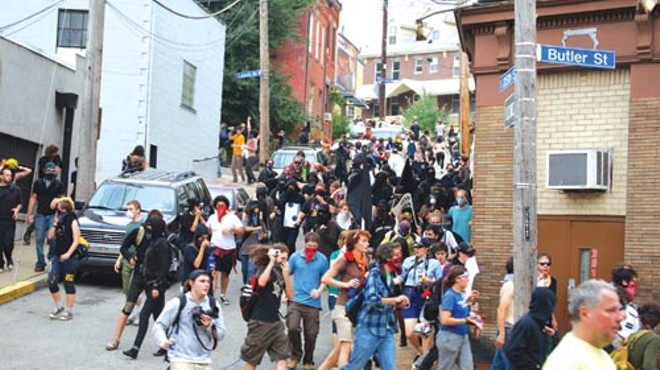
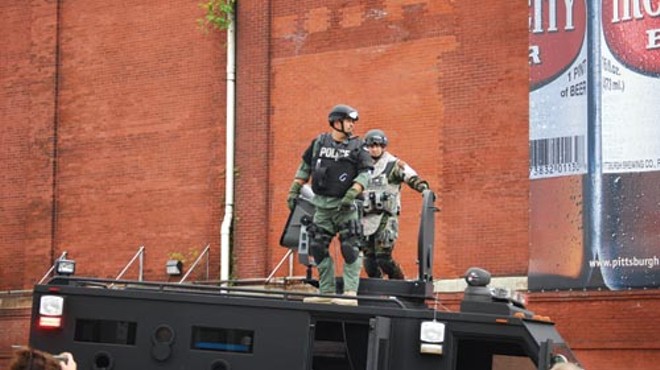
Mounting Tensions
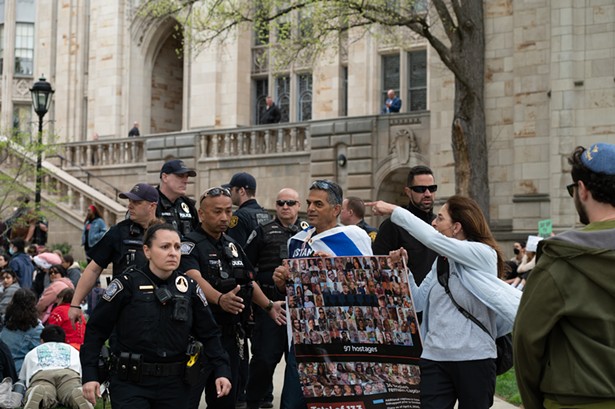
Friction with police was rising before global summit began
By Chris Young
Arrested Developments
By Marty Levine
Mutually Beneficial
On the Outside
By Bill O'Driscoll
Ruled Out
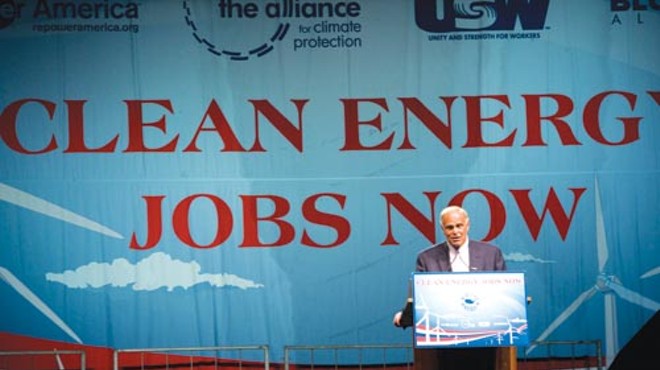
What the G-20 Didn't Get Done
By Chris Potter
Groupthink
By Charlie Deitch
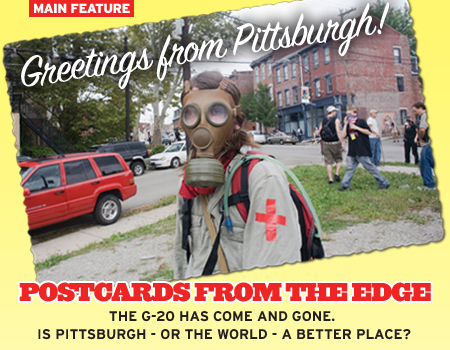
More Postcards From the Edge
ARTica Cooking Demos
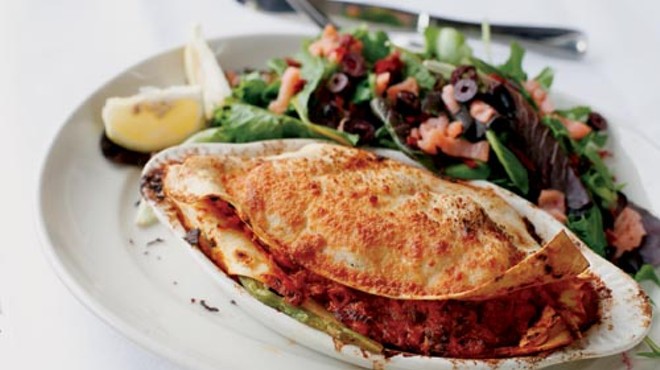
Paris 66 Bistro
By Angelique Bamberg and Jason Roth
After 20 years, Friday Nite Improvs is still getting laughs -- and involving audiences.
By Lucy Leitner
Michael Chabon visits with his new book, Manhood for Amateurs.
Wrist Rocket
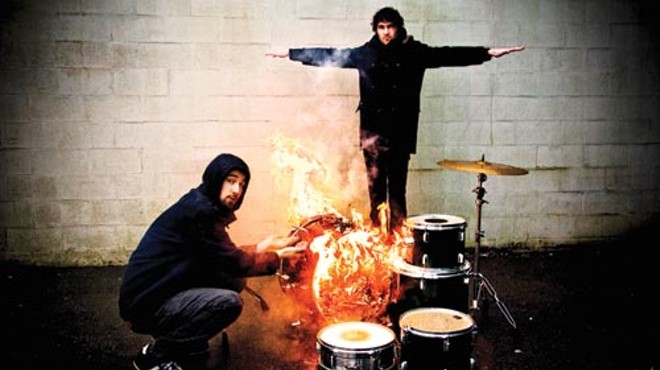
Local band Dawn Canon releases new EP ... on USB
By Aaron Jentzen
Japandroids' brush with mortality is just more fuel for the fire
By Chris Parker
A Conversation with Mike Ness of Social Distortion
Diamanda Galás combines astounding vocal range, social commentary
By Manny Theiner
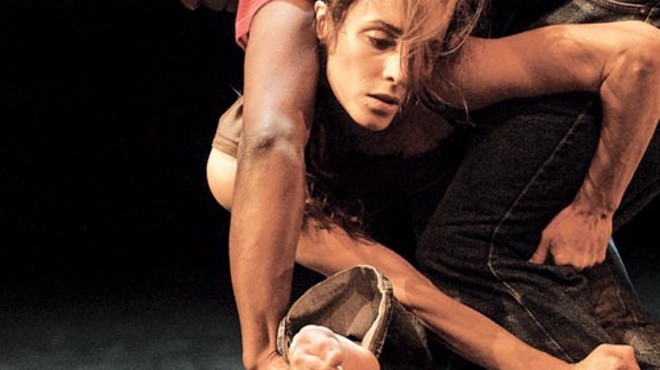
Crystal Pite's dance troupe Kidd Pivot evokes the toll of war.
By Steve Sucato
The Music Lesson
By Michelle Pilecki
Weird Romance
By Ted Hoover
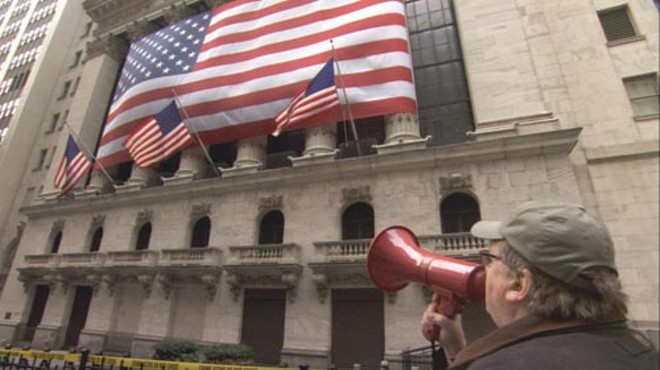
Capitalism: A Love Story
Filmmaker Michael Moore indicts a swath of corporate villains, ranging from the predictable to the surprising
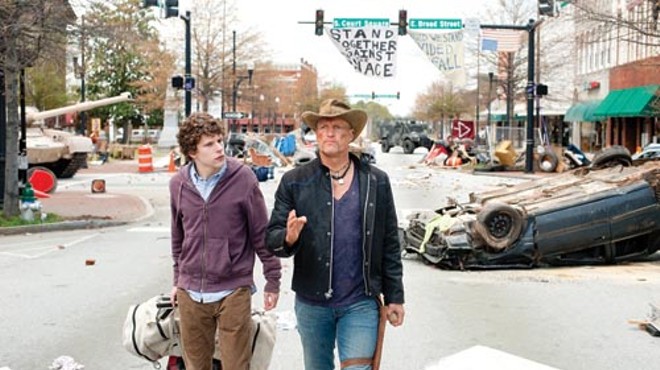
Zombieland
A lively comic romp through the land of the undead
By Al Hoff
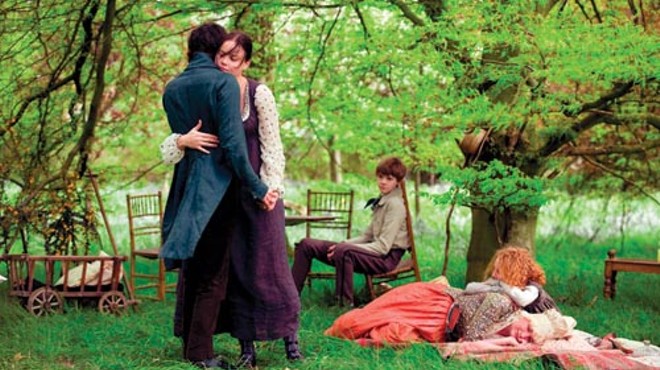
Bright Star
A sublime re-telling of poet John Keats' tragic love affair
The Burning Plain
This non-linear melodrama tracks the ripples from one tragic act
The Cove
Documentary that illuminates the dark underside of the dolphin biz
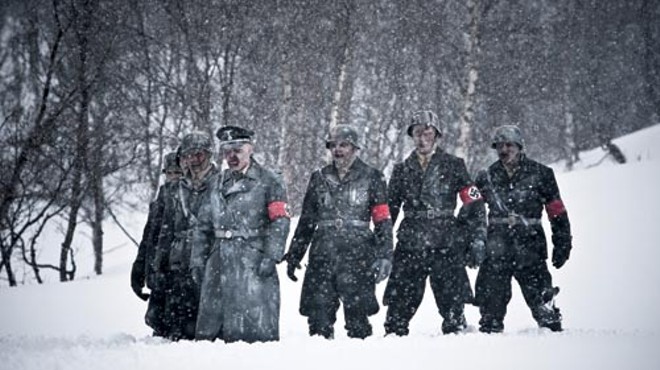
Dead Snow
What could be worse than zombies? Nazi zombies!
Fame
Hey kids, let's put on a show ... in high school.
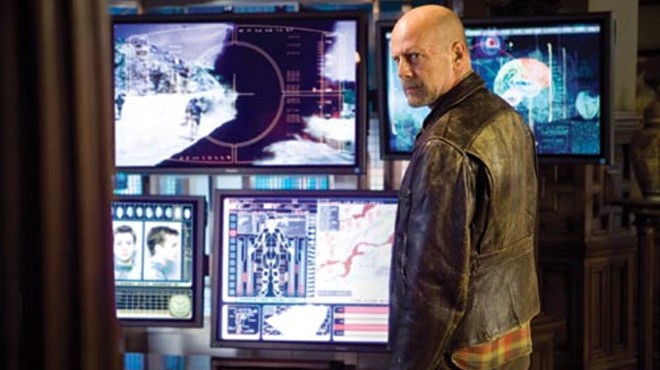
Surrogates
Another entertaining chapter in the man-vs.-robot saga
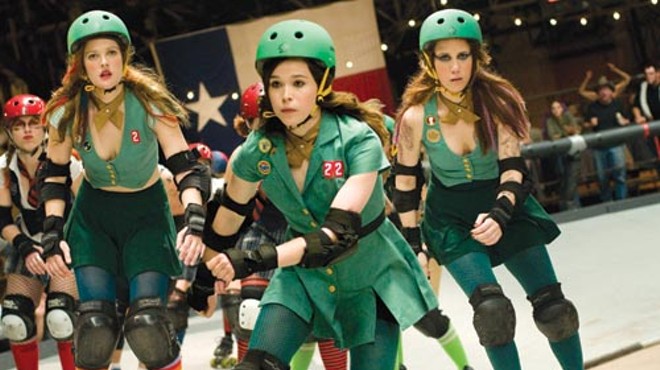
Whip It
Roller derby saves a life in this shaggy comedy
Savage Love
By Dan Savage
Police Misstate
This Just In: October 1 - 8
By Frances Sansig Monahan
Short List: Week of October 1 - 8
By Mars Johnson
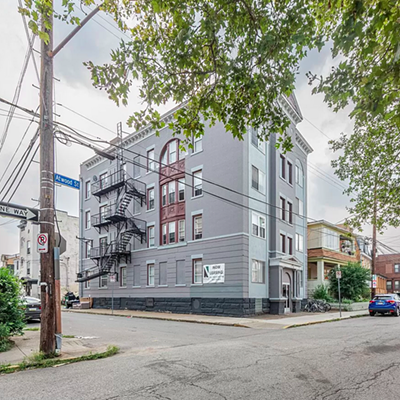
Affordable-ish Housing in Pittsburgh: density or destiny edition
By Michael Machosky
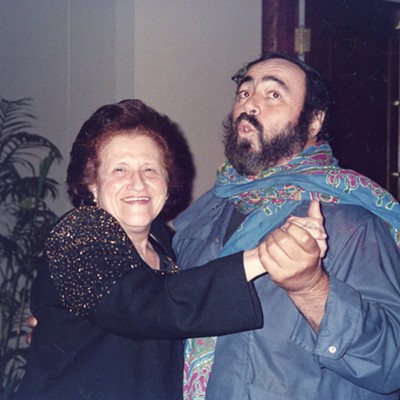
The mayor and the tenor: when Masloff met Pavarotti
By David S. Rotenstein
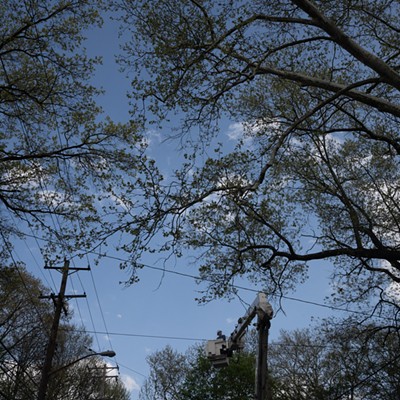
Pittsburgh’s street trees are free upon request. So why do they often go to the city’s wealthiest residents?
By James Paul
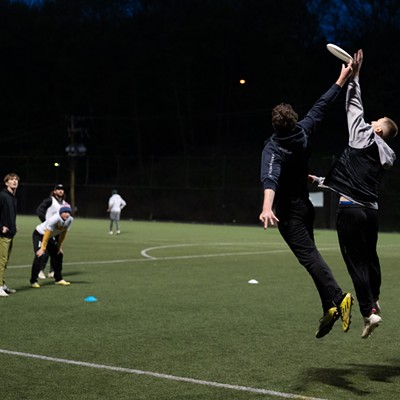
The Thunderbirds are ready for their ninth season of pro ultimate frisbee
By Colin Williams