Vol. 19, No. 32
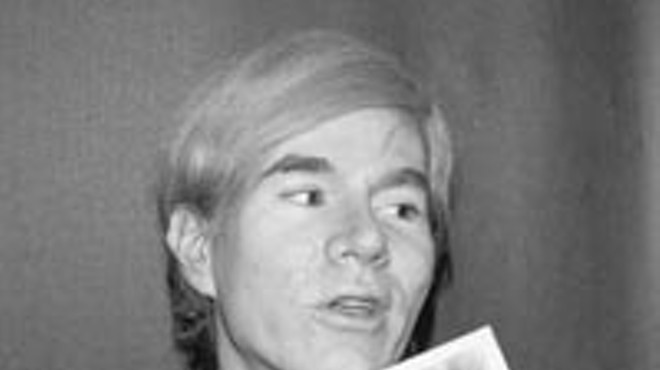
Andy Warhol's relationship with celebrity gets a fuller airing in Warhol Live.
By Curt Riegelnegg
Pulling Up Roots and Moving to Pittsburgh
By Chris Potter
Coloring a New Future
By Brian Tierney
Netting the Big Names
Welcome to Ballhalla
Separation Anxiety
By Chris Young
A Little More to the Left
By Charlie Deitch
Green Roots
By Bill O'Driscoll
More Harm Than Good?
By Marty Levine
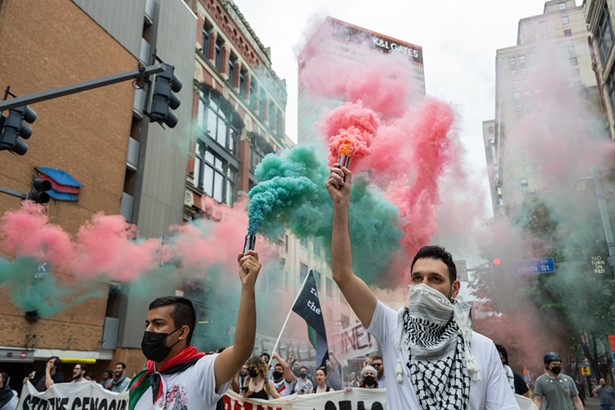
Dissent Plans
Wild Rosemary
By Angelique Bamberg and Jason Roth
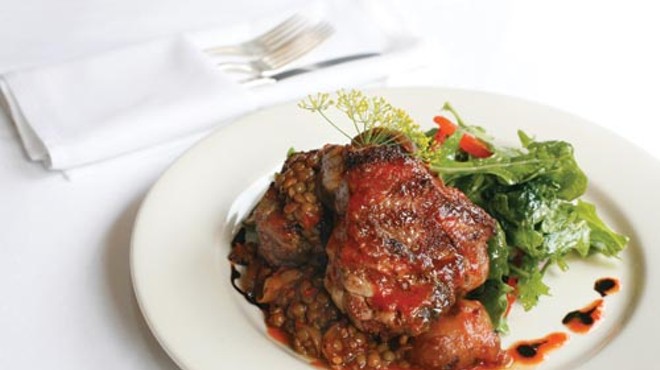
Red, Ripe and Roasted
By Melissa Meinzer
Scott McClanahan's deceptively simply Stories hooks you.
Stoner rock has a local champion with record label Oppressive Sound System Releases
By Manny Theiner
A Conversation with Jessica Hopper
By Aaron Jentzen
Father-and-son jazz saxophonists reunite for a free concert Tuesday
By Mike Shanley
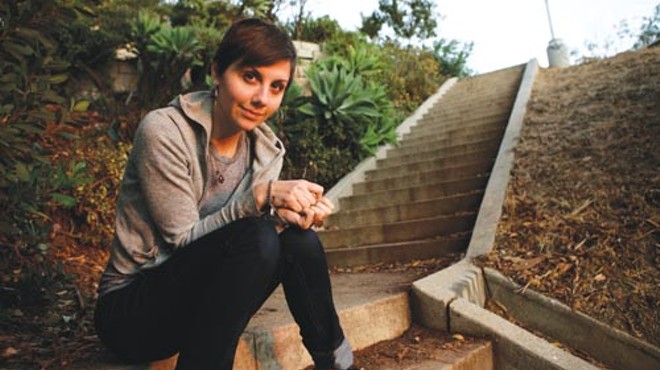
Samantha Crain & The Midnight Shivers bring mournful Americana to South Park
By Andy Mulkerin
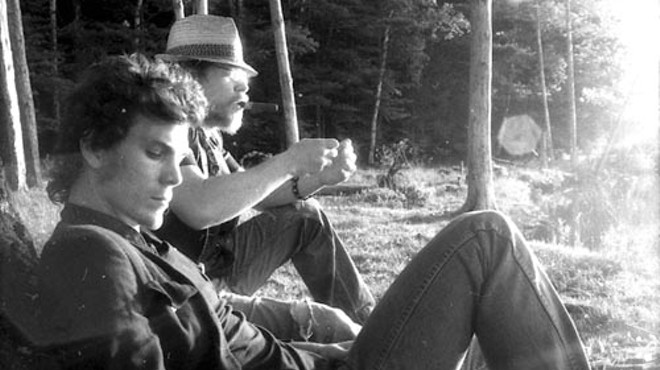
The Duke & The King mine mellow gold on Nothing Gold Can Stay
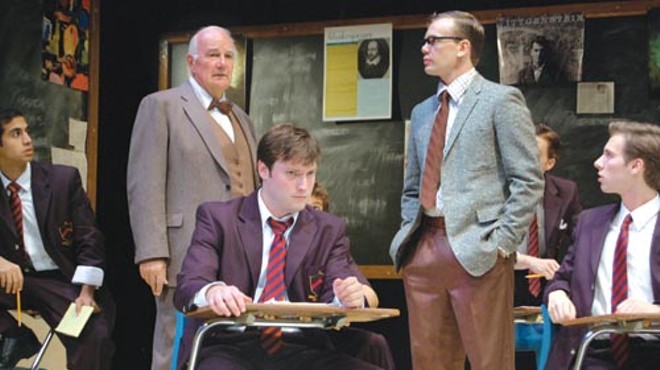
The History Boys
By Ted Hoover
Unnecessary Farce
By John Fantin
New York-based actor Evan Brenner performs his new one-man play about the life of the Buddha.
By Andrea Bullard
Julie & Julia
Meryl Streep is simply delicious as Julia Child
By Al Hoff
District 9
Troubled relations with space aliens spur the action in this South African sci-fi thriller
G.I. Joe: The Rise of Cobra
The action figure (and pals) take on global evildoers!
Tulpan
A low-key coming-of-age dramedy set in the visually dramatic Kazakhstan steppes
Savage Love
By Dan Savage
This Just In: August 13 - 20
By Frances Sansig Monahan
Specter, Sestak appear at Netroots Nation
Short List: Week of August 13 - 20
By Mars Johnson
Financial domination or "findom": the lucrative (or draining) BDSM kink you may never have heard of
By Jessie Sage
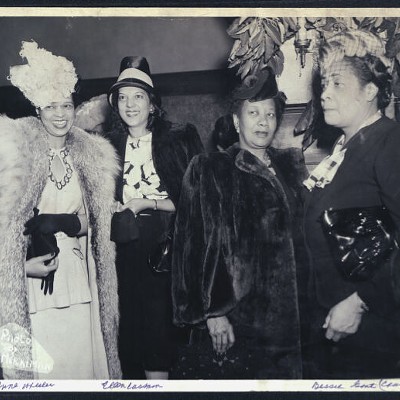
Bessie Gant: Pittsburgh's original celebrity chef
By Stacy Rounds
Affordable-ish Housing in Pittsburgh: The "right answer" edition
By Michael Machosky
Pittsburgh’s top events: May 9-15
By CP Staff